
AI Won’t Replace Mechanics or Electricians, But Desk Jobs Are in Jeopardy: Ford CEO Jim Farley Issues Warning
 3 min read
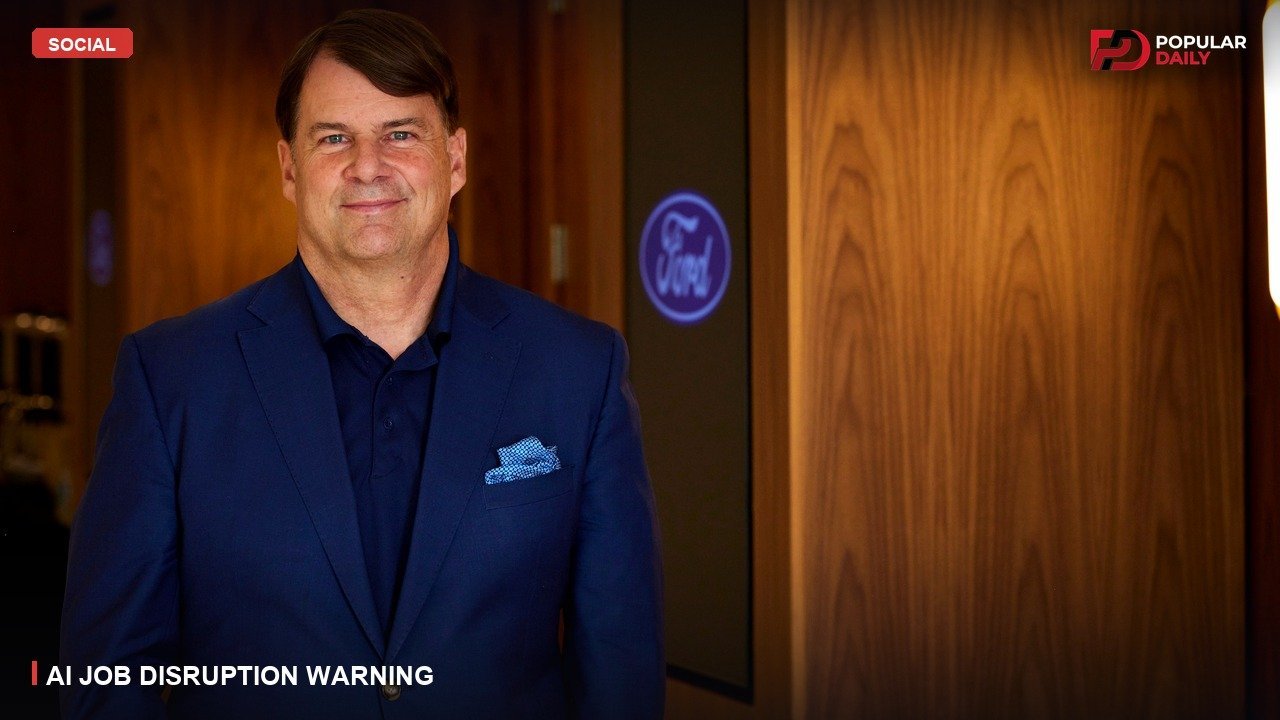
At a major industry summit, Ford’s chief executive delivered a stark reality check on automation: hands-on skilled trades are virtually irreplaceable, while corporate knowledge work faces sweeping disruption.
As corporate boardrooms pour billions into artificial intelligence with dreams of automating human labor, Ford President and CEO Jim Farley delivered a refreshing, blunt counterpoint this week. Speaking to business leaders and educators in Detroit, Farley revealed which careers are genuinely threatened by AI—and which are bulletproof.
Key Takeaways
- Ford CEO Jim Farley stated AI will act as a ‘companion’ to skilled trades, not a replacement for human hands.
- Routine desk roles—including spreadsheet finance, call centers, and basic coding—face high disruption risks.
- Farley sounded the alarm on America’s labor gap: only 55 skilled workers are trained for every 100 needed.
Why Skilled Hands Outsmart Software Algorithms
Addressing attendees at the ‘ACCELERATE the Essential Economy’ conference, Farley drew a sharp philosophical distinction between theoretical computation and physical problem-solving. While generative models can draft marketing memos in seconds, they cannot climb a ladder to diagnose a shorted high-voltage EV battery.
‘When an industrial assembly line halts or a vehicle’s sensor array misfires in the field, you need tactile human intuition,’ Farley argued. ‘In our manufacturing hubs, the line between hourly trade workers and senior systems engineers is blurring. AI is a diagnostic co-pilot, but the wrench is always held by a human.’

The Vulnerability of White-Collar Knowledge Roles
In stark contrast, Farley offered an unvarnished warning to college graduates entering traditional corporate white-collar tracks. Repetitive computer tasks that consist of aggregating data, populating financial spreadsheets, or handling tier-one customer service inquiries are firmly in automation’s crosshairs.
Farley cautioned that young professionals must adapt by developing strategic, hands-on, or deeply interpersonal skill sets rather than relying on procedural computer chores that automated software can replicate in fractions of a second.
Bridging the Critical Vocational Deficit
Farley tied his automation diagnosis directly to America’s acute skilled trades deficit. Current national labor data reveals that for every 100 vocational tradespeople retiring or leaving the workforce, vocational trade pipelines are producing a mere 55 qualified replacements.
Through initiatives like the Alliance for America’s Skilled Trades, Ford is partnering with tech and financial leaders to re-legitimize vocational careers. In an era where white-collar stability is increasingly precarious, mastering a high-demand trade is rapidly emerging as the smartest career bet of the 21st century.

You May Also Like

T.J. Maxx Mass Closure Rumors Debunked: Why TikTok Panicked Over Routine Relocations
Viral posts claiming the beloved discount retailer is shuttering across America caused shopping hysteria, but the parent company is actually expanding toward 7,500 stores. If your social media feeds have been flooded this week with tearful shoppers claiming that T.J. Maxx is ‘going out of business,’ you are not alone. A wave of viral TikTok […]

Prince Harry and Meghan Markle Condemn Reckless Press Intrusion at Children’s School
Security intervened after European paparazzi lingered outside Prince Archie and Princess Lilibet’s UK school, prompting police involvement and fierce public backlash.

Spotify Hit by Major Global Outage as Users Report App Crash and Search Errors
Over 20,000 users flooded Downdetector and social media after the streaming giant suffered widespread morning disruptions interrupting music and podcasts.