
T.J. Maxx Mass Closure Rumors Debunked: Why TikTok Panicked Over Routine Relocations
 3 min read
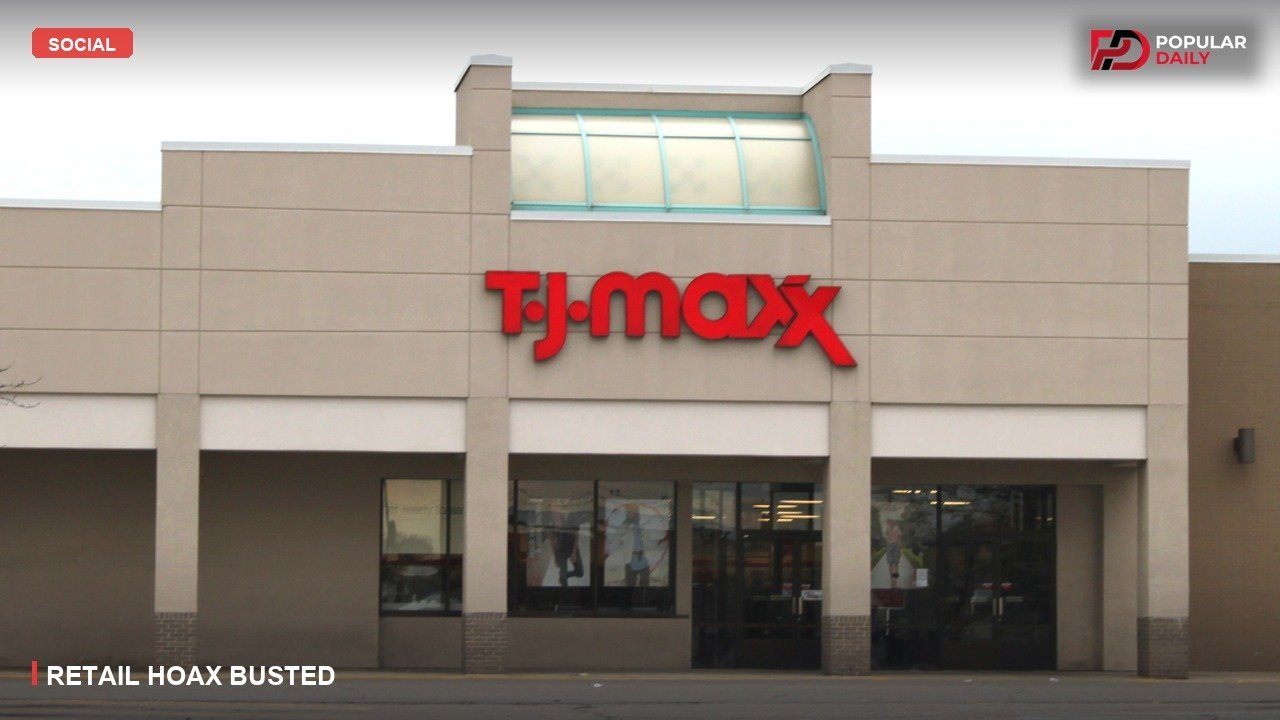
Viral posts claiming the beloved discount retailer is shuttering across America caused shopping hysteria, but the parent company is actually expanding toward 7,500 stores.
If your social media feeds have been flooded this week with tearful shoppers claiming that T.J. Maxx is ‘going out of business,’ you are not alone. A wave of viral TikTok videos caused widespread panic among discount fashion lovers, but retail facts tell a completely different story.
Key Takeaways
- Viral claims that T.J. Maxx is facing bankruptcy or widespread closures are completely false.
- Only a handful of isolated locations are closing due to expiring commercial leases and urban real estate shifts.
- Parent company TJX Companies is actively expanding, raising its long-term footprint target to 7,500 stores worldwide.
How Isolated Real Estate Moves Sparked TikTok Hysteria
The rumor storm gained traction when shoppers at Newbury Street in Boston and Ellsworth Place in Silver Spring noticed liquidation clearance signs. Within hours, content creators repurposed local closure notices into sensational clickbait videos warning that the entire chain was in jeopardy.
As algorithm-driven platforms boosted the dramatic claims, shoppers flooded comment sections in disbelief. However, commercial real estate analysts were quick to clarify that closing older, high-rent downtown spaces is standard operating procedure for healthy national brands.
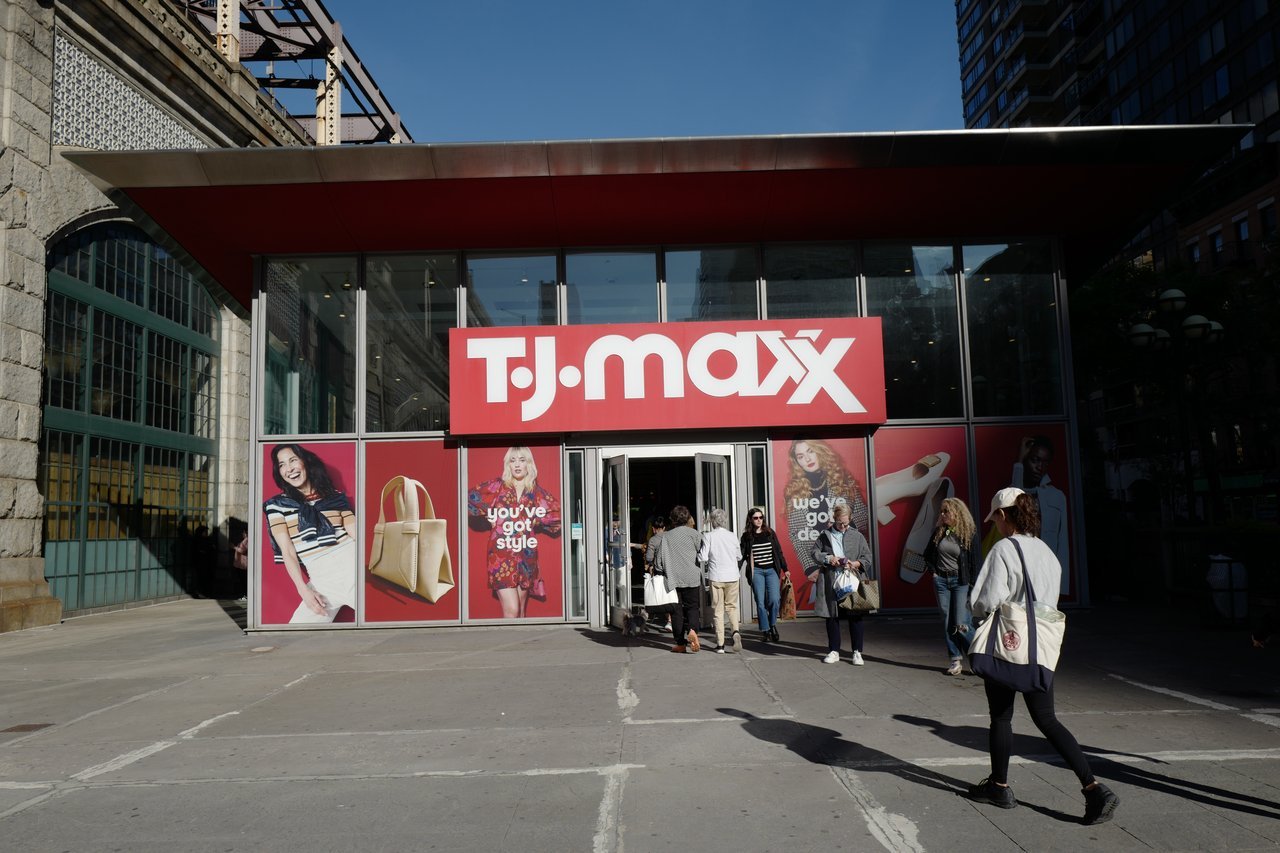
TJX Companies Is Actually Thriving and Expanding
Contrary to social media panic, The TJX Companies—which owns T.J. Maxx, Marshalls, HomeGoods, and Sierra—remains one of the most financially resilient retail giants in the world. While traditional department stores struggle with e-commerce competition, off-price retail continues to capture consumer market share.
In recent corporate disclosures, TJX leadership reiterated plans to expand their global footprint, raising their ultimate growth target to 7,500 locations. For every lease that expires in an outdated suburban strip, the company is investing in upgraded suburban shopping centers.
Why Off-Price Retail Continues to Win Shoppers Over
Consumer economists point out that high inflation and budget-conscious household spending have turned discount treasure hunts into a retail juggernaut. Customers love the thrill of finding designer handbags, premium skincare, and runway apparel at 60% discounts.
The next time you see a frantic video warning that your local yellow tags are disappearing forever, rest easy. Your favorite home decor and runway finds are here to stay.

You May Also Like
AI Won’t Replace Mechanics or Electricians, But Desk Jobs Are in Jeopardy: Ford CEO Jim Farley Issues Warning
At a major industry summit, Ford’s chief executive delivered a stark reality check on automation: hands-on skilled trades are virtually irreplaceable, while corporate knowledge work faces sweeping disruption. As corporate boardrooms pour billions into artificial intelligence with dreams of automating human labor, Ford President and CEO Jim Farley delivered a refreshing, blunt counterpoint this week. […]

Prince Harry and Meghan Markle Condemn Reckless Press Intrusion at Children’s School
Security intervened after European paparazzi lingered outside Prince Archie and Princess Lilibet’s UK school, prompting police involvement and fierce public backlash.

Spotify Hit by Major Global Outage as Users Report App Crash and Search Errors
Over 20,000 users flooded Downdetector and social media after the streaming giant suffered widespread morning disruptions interrupting music and podcasts.