
Sleep Tourism Surges as Luxury Resorts Redesign Rooms for Rest
 2 min read
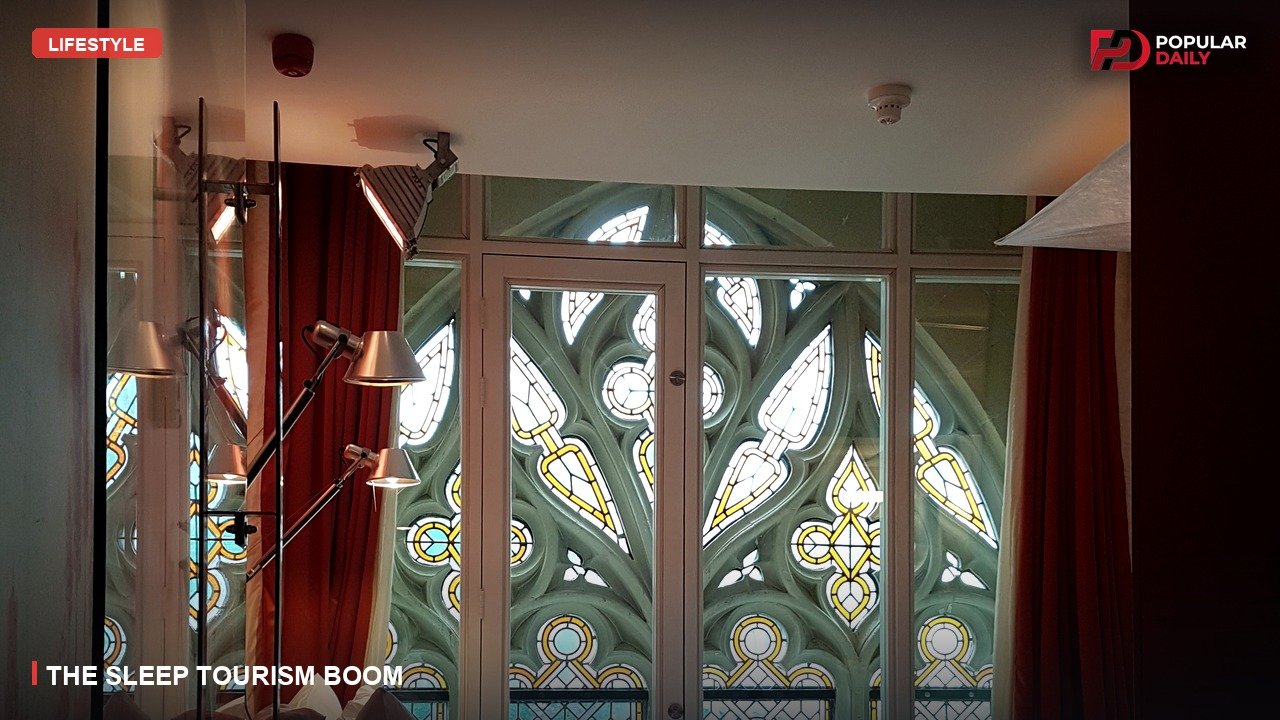
High-end travelers are ditching packed sightseeing itineraries for sleep retreats equipped with circadian lighting, soundproof suites, and bedtime concierges.
The modern vacation is undergoing a quiet revolution, as exhausted travelers increasingly book trips with a single goal in mind: restorative sleep.
Key Takeaways
- Sleep tourism market valuation has grown exponentially across European and Asian luxury wellness retreats.
- High-end hotels now offer soundproof sleeping chambers, AI-regulated cooling mattresses, and customized pillow menus.
- Medical sleep doctors and hypnotherapists are joining hotel wellness staff to curate personalized sleep programs.
The Shift from Sightseeing to Sleeping
For decades, vacation culture prioritized jam-packed itineraries and relentless sightseeing that often left travelers more exhausted upon returning home. In response to post-pandemic burnout and chronic sleep debt, a growing segment of travelers is choosing rest as the primary destination.
Luxury resorts worldwide have pivoted their marketing to showcase quiet sanctuaries where uninterrupted rest takes center stage.
Executive Travel Summary
Core Philosophy: Swapping hectic vacation schedules for undisturbed restorative rest and biological reset.
Pioneering Brands: Six Senses, Equinox Hotels, and Mandarin Oriental leading dedicated sleep enhancement retreats.
Key Amenities: Circadian rhythm lighting schedules, soundproof acoustic wall paneling, and magnesium evening elixirs.
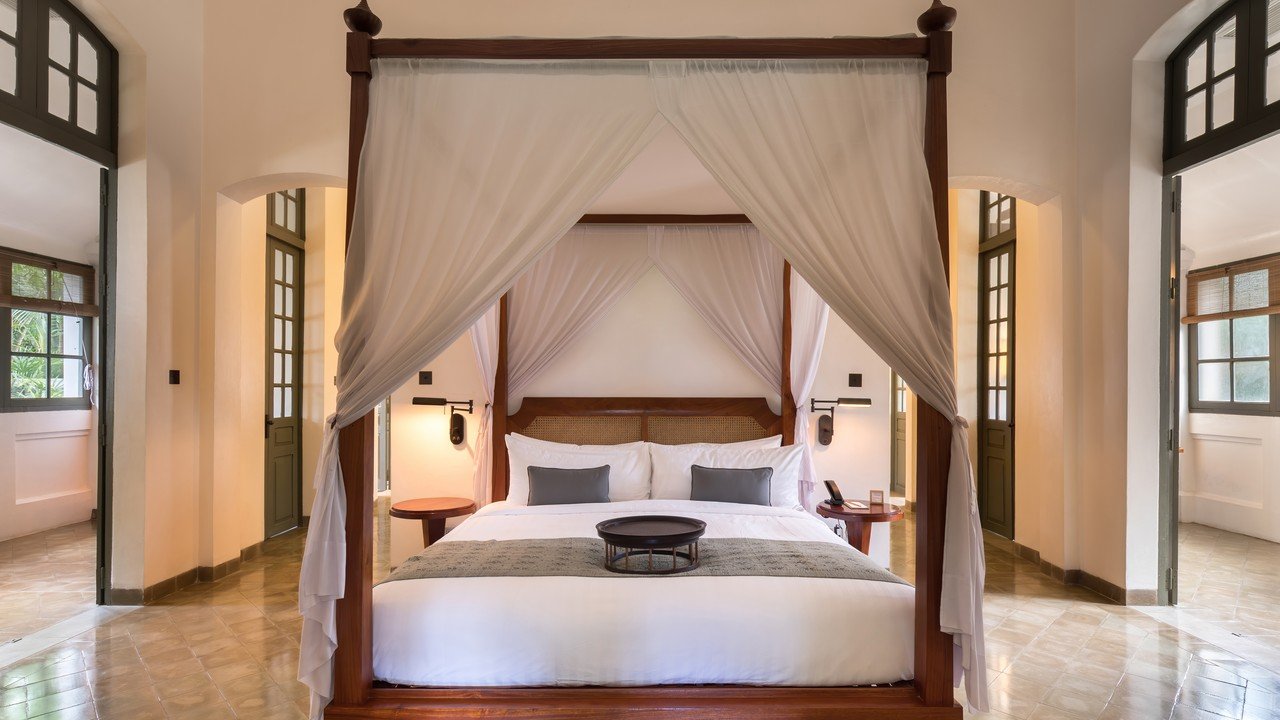
Inside High-Tech Sleep Suites
Modern sleep retreats offer far more than a comfortable bed. Properties have invested millions into architectural acoustic dampening, specialized blackout shutters, and circadian lighting systems that sync with natural melatonin production.
Guests frequently receive wearable biometric sleep trackers and consultations with on-site sleep coaches who tailor evening teas, warm baths, and guided meditation sessions.
A Permanent Shift in Hospitality
Hospitality analysts predict that sleep-focused design will transition from a niche luxury perk into a standard expectation across urban hotels. Even business hotels in major transit hubs are introducing sleep kits and white noise soundscapes.
As wellness travel continues to evolve, quality rest is firmly established as the ultimate modern luxury.
“People used to associate travel with burning the candle at both ends. Today, our guests arrive exhausted and want nothing more than eight hours of perfect, undisturbed slumber.”
— Dr. Rebecca Robbins, Sleep Researcher and Hospitality Consultant
Follow PopularDaily for more entertainment and creator news.
Sources: Condé Nast Traveler, Travel + Leisure, The New York Times

You May Also Like

Mountain Dew Pitch Black Returns: Cult Citrus-Grape Flavor Relaunches for Halloween 2026
The legendary dark-hued soda that sparked beverage turf wars is making a triumphant autumn comeback, hitting retail shelves just in time for spooky season. Few limited-edition sodas in beverage history command the fanatical loyalty of Mountain Dew Pitch Black. First introduced more than twenty years ago as a spooky Halloween exclusive, the deep-purple nectar has […]

Urgent Food Recalls: FDA and USDA Issue Consumer Alerts for Cheese, Meat, and Sausage
Federal health inspectors warn shoppers to check kitchen pantries and refrigerators as potential E. coli and foreign material risks trigger multi-state product recalls. Federal health regulators have issued a slate of urgent food safety warnings, prompting nationwide grocery shoppers to inspect their refrigerators and freezers for potentially contaminated dairy, pork, and specialty meat products. Key […]

Blood Pressure Medication Recall: Inventia Recalls 13,000 Bottles of Chlorthalidone
The FDA has classified a nationwide voluntary recall of 25 mg hypertension tablets over dissolution test failures that may reduce medication effectiveness.