The Dopamine Menu Trend: How Young Adults Design Mood Boosters
 2 min read
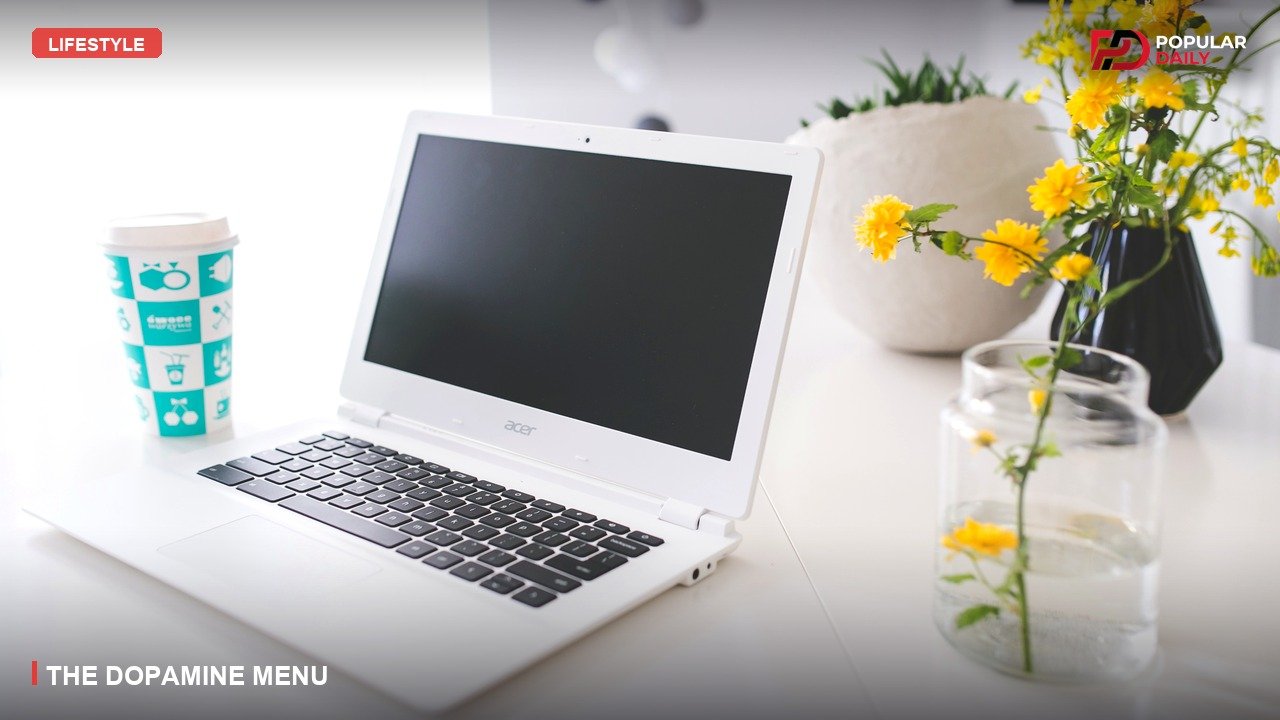
Social media users are swapping mindless doomscrolling for personalized Dopamine Menus designed to recharge mental energy throughout the day.
A simple wellness concept called the Dopamine Menu has taken over lifestyle feeds, offering a creative antidote to mindless digital fatigue.
Key Takeaways
- The Dopamine Menu originated within neurodivergent and ADHD communities before going mainstream.
- Activities are organized like a restaurant menu into appetizers, entrees, sides, and desserts.
- Therapists praise the system for providing clear, actionable alternatives when motivation dips.
The Restaurant Metaphor for Mental Energy
When mental exhaustion sets in, deciding how to recharge often feels overwhelming, leading many people to pick up their phones and scroll passively for hours. The Dopamine Menu solves decision fatigue by creating a pre-selected list of joyful activities organized like a restaurant menu.
By dividing options into courses based on time and energy commitments, users can easily pick the right reset for their current headspace.
Menu Course Breakdown
Appetizers (5-10 min): Quick resets like brewing fresh matcha, five minutes of morning stretching, or stepping outside for natural sunlight.
Entrees (30-60 min): Deeply nourishing activities like a trail jog, cooking a comfort meal, or playing an acoustic instrument.
Sides & Desserts: Background boosts like ambient lo-fi music paired with mindful indulgences like watching a favorite comfort sitcom.
Why Psychologists Support the Practice
Behavioral therapists note that having a tangible, handwritten list removes the friction of brainstorming when cognitive energy is drained. Rather than seeking dopamine spikes through algorithm-driven notifications, individuals engage in grounding sensory experiences.
Psychologists emphasize that small physical rituals—such as lighting a cedar candle or drinking cold water—trigger natural endorphins without digital overstimulation.
How to Build Your Own Menu
Creating a personalized menu requires reflecting on genuine mood boosters rather than trendy habits that feel like chores. Experts advise drafting your list in an analog notebook and pinning it near your workspace.
As screen fatigue continues to rise, small structured habits offer a refreshing way to reclaim everyday focus.
“When you are depleted, your brain cannot easily answer ‘What would make me feel good right now?’ Having a menu makes self-care effortless because the decision is already made.”
— Jessica McCabe, Author and Neurodiversity Advocate
Follow PopularDaily for more entertainment and creator news.
Sources: Vogue, Psychology Today, Self Magazine

You May Also Like
Mountain Dew Pitch Black Returns: Cult Citrus-Grape Flavor Relaunches for Halloween 2026
The legendary dark-hued soda that sparked beverage turf wars is making a triumphant autumn comeback, hitting retail shelves just in time for spooky season. Few limited-edition sodas in beverage history command the fanatical loyalty of Mountain Dew Pitch Black. First introduced more than twenty years ago as a spooky Halloween exclusive, the deep-purple nectar has […]

Urgent Food Recalls: FDA and USDA Issue Consumer Alerts for Cheese, Meat, and Sausage
Federal health inspectors warn shoppers to check kitchen pantries and refrigerators as potential E. coli and foreign material risks trigger multi-state product recalls. Federal health regulators have issued a slate of urgent food safety warnings, prompting nationwide grocery shoppers to inspect their refrigerators and freezers for potentially contaminated dairy, pork, and specialty meat products. Key […]
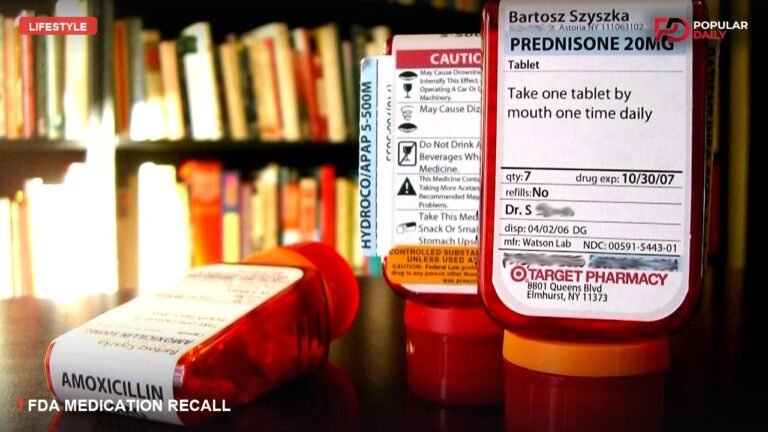
Blood Pressure Medication Recall: Inventia Recalls 13,000 Bottles of Chlorthalidone
The FDA has classified a nationwide voluntary recall of 25 mg hypertension tablets over dissolution test failures that may reduce medication effectiveness.