
The Panama Alien Meteorite Hoax: How a Fake Venom Creature Fooled Millions
 3 min read
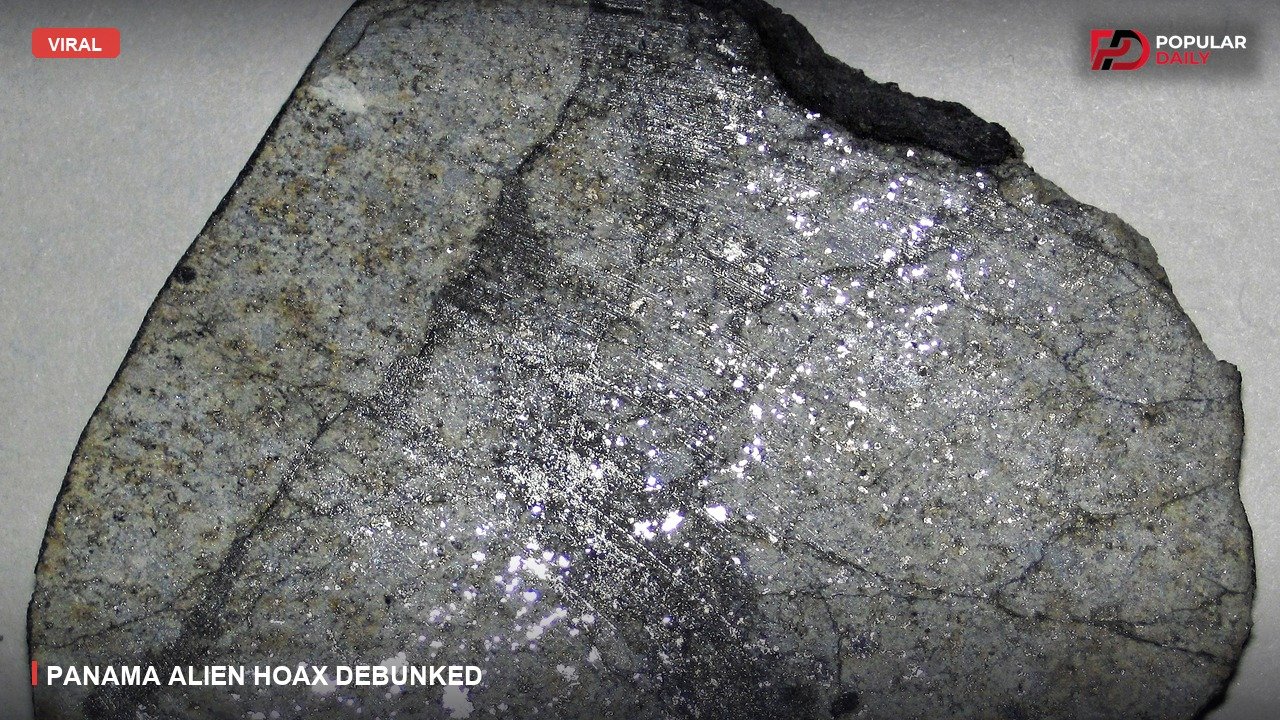
A viral TikTok video claiming an extraterrestrial entity landed in Panama captured millions of views before material science cracked the illusion.
A series of viral videos showing a smoking space rock hatching an inky, tentacled creature convinced millions of viewers that alien life had arrived. Broadcast from a suburban backyard in Pedregal, Panama, the unsettling footage spread across social media platforms like wildfire.
Key Takeaways
- Panamanian creator @kinpanama claimed a meteorite landed in his yard and sprouted a living black entity dubbed Venom.
- The clip generated tens of millions of views and intense extraterrestrial conspiracy theories online.
- Material scientists exposed the organism as silicone elastomer responding to chemical vapor, aided by basic movie props.
The Backyard Sighting That Captivated TikTok
The viral saga began when a TikTok creator operating under the handle @kinpanama documented what he described as an unusual impact in his garden. Initial clips showed a blackened, jagged object resting in a scorched patch of grass.
Within days, follow-up videos showed the object secreting an amber, gelatinous goo. Soon after, a glossy black mass sprouted thin, writhing limbs that moved with startling realism, leading viewers to nickname the specimen Venom or K-25.
Fast Fact Breakdown
The Viral Claim: A glowing meteorite crash-landed in suburban Panama, producing an autonomous biological organism.
The Scientific Reality: The moving creature was engineered using polydimethylsiloxane (PDMS) silicone polymer reacting with organic solvents.
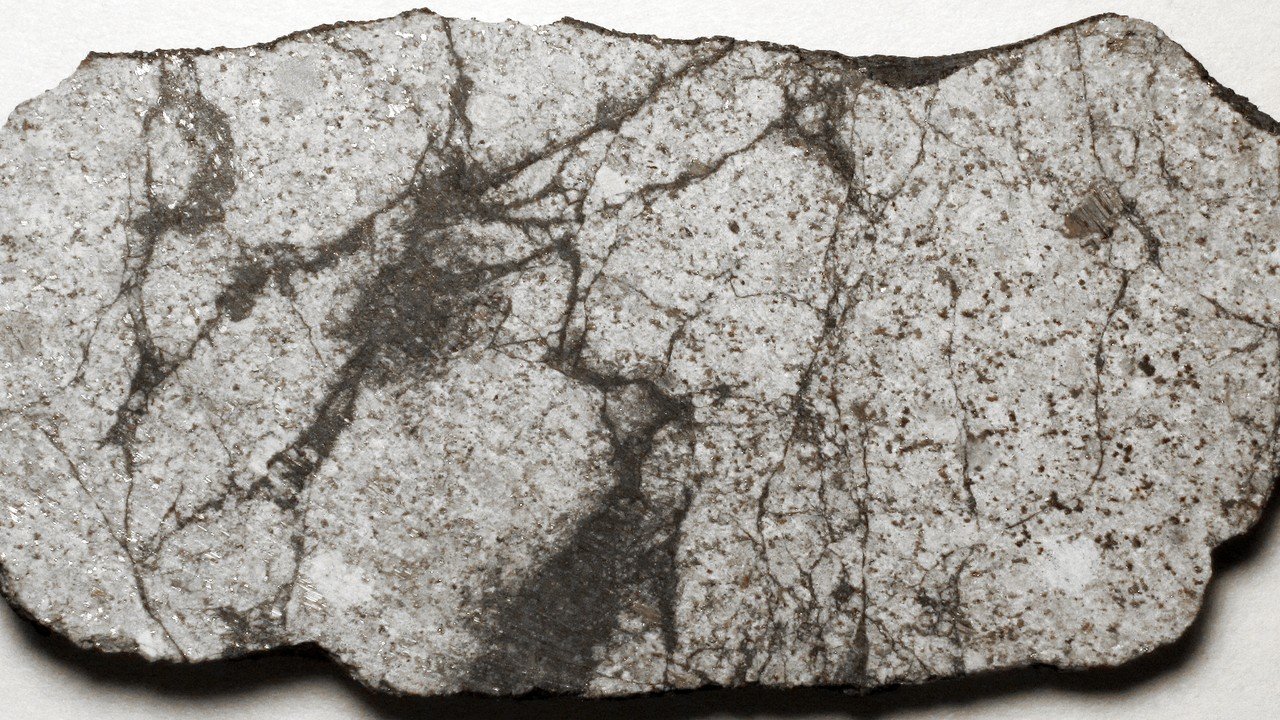
The Practical Props: Sleuths spotted a russet potato spray-painted metallic silver and thin nylon rigging wires.
How Science Sleuths Solved the Moving Slime Trick
As the videos garnered international headlines, material scientists and digital investigators began dissecting each frame. The creature’s lifelike twitching was quickly traced to smart polymer chemistry rather than biology.
Experts identified the material as polydimethylsiloxane, a common silicone elastomer. When PDMS strips are exposed to volatile organic solvent vapors such as hexane, the polymer swells unevenly, producing spontaneous curling and twisting that mimics living muscle.
“Local authorities confirmed no meteorite impact occurred in Pedregal, exposing the viral phenomenon as an elaborate special-effects demonstration.”
— Panamanian Civil Defense Report
Keen-eyed viewers also noticed practical movie tricks hiding in plain sight. In high-resolution stills, the original meteorite showed telltale potato skin textures beneath silver spray paint, while match heads were used to create the miniature smoke marks.
The Real Reason Behind the Alien Stunt
Faced with detailed debunking threads and official statements from local authorities, the creator eventually admitted the entire project was staged. Rather than an extraterrestrial invasion, the series had been crafted as a creative science-fiction art project.
The creator framed the fictional narrative as an environmental commentary on human pollution and ecological vulnerability. While the creature was purely theatrical, the stunt proved how easily cinematic illusions can capture global curiosity in the short-form video era.
Follow PopularDaily for more entertainment and creator news.
Sources: TikTok, ColombiaOne, The Economic Times

You May Also Like

Eminem Features on Kid Rock’s New Christian Rock Album ‘Halfway 2 Jesus’ Despite Political Divide
The internet was thrown into complete chaos after Kid Rock revealed that his 25-year Detroit friend Marshall Mathers appears on the upcoming track ‘7 Sins.’ In an election-year collaboration that nobody saw coming, rap royalty and country-rock provocateur have reunited. Social media went into collective meltdown this week when Kid Rock unveiled the official tracklist […]

$5,000 Bounty Offered After Viral Video Captures Customer Hurling Whiz Cheesesteak at Pat’s King of Steaks Manager
A heated dispute at South Philadelphia’s iconic 24-hour cheesesteak landmark turned physical when an apparent online streamer threw a hot sandwich into the face of a 50-year veteran employee. In a shocking confrontation that has captivated the internet and outraged Philadelphia foodies, the owner of world-famous Pat’s King of Steaks has put up a $5,000 […]

Trump Announces $500 ACA Refund Checks for 1 Million Americans Across 30 States
The federal government plans to distribute automatic rebates for unsubsidized HealthCare.gov enrollees in October, sparking intense viral interest and scam warnings.