
James Webb Telescope Detects Carbon and Methane on Planet K2-18b
 3 min read
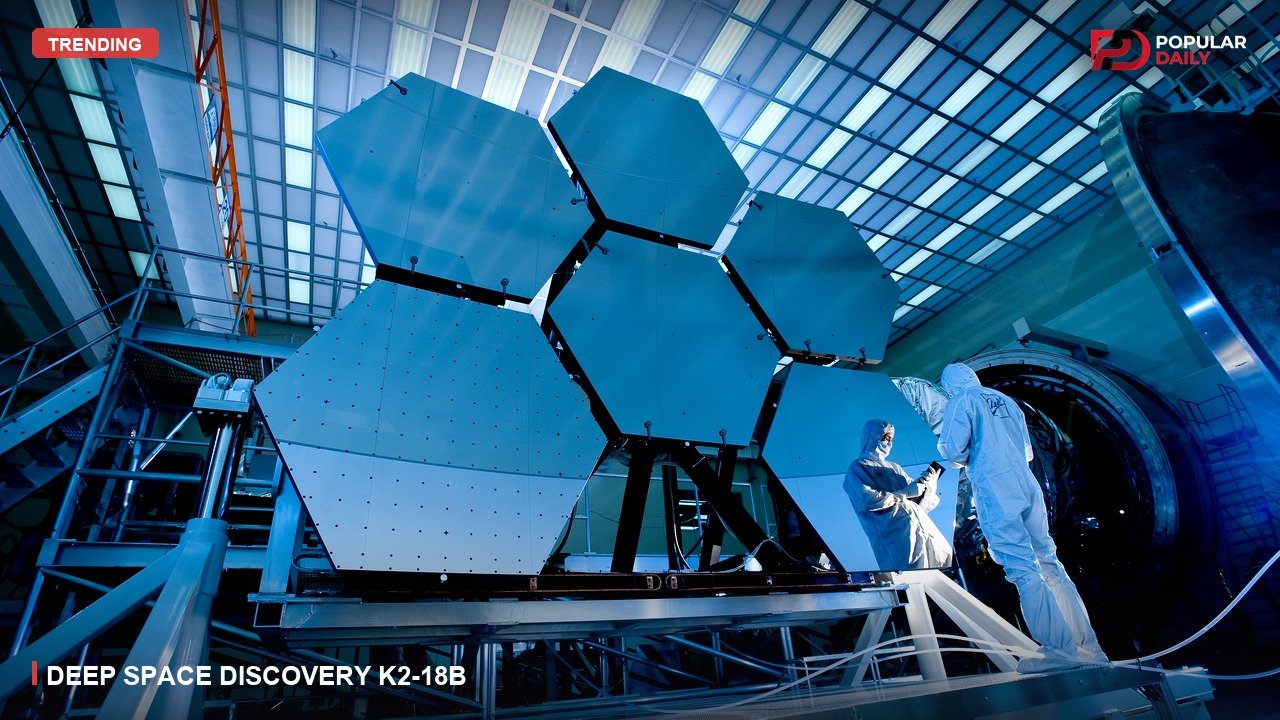
AI-generated illustration
Astronomers analyzing data from NASA’s James Webb Space Telescope uncovered compelling chemical signatures on a habitable-zone sub-Neptune world.
NASA’s James Webb Space Telescope has delivered fascinating new atmospheric data from K2-18b, an exoplanet 120 light-years away in the constellation Leo.
Key Takeaways
- Spectroscopy data confirmed abundant methane and carbon dioxide with an absence of ammonia in K2-18b’s atmosphere.
- The findings strongly support the hypothesis that K2-18b is a Hycean world with a water ocean beneath a hydrogen-rich atmosphere.
- Tantalizing hints of dimethyl sulfide (DMS), a molecule produced primarily by life on Earth, require further verification.
Decoding the Chemistry of a Distant Atmosphere
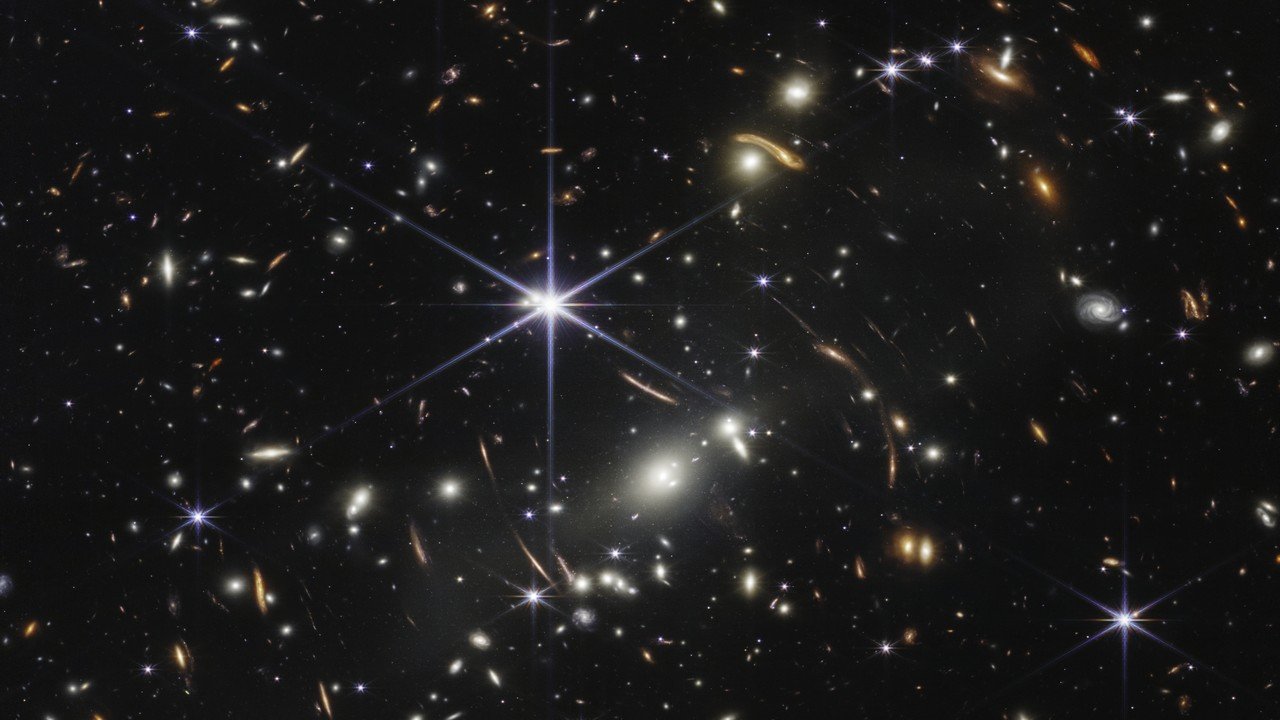
By measuring the starlight filtered through K2-18b’s upper atmosphere during planetary transits, the Webb telescope captured distinct chemical fingerprints. The spectra revealed an abundance of carbon-bearing molecules while confirming a complete lack of ammonia.
In planetary science, this unique chemical balance suggests a deep water ocean interacting directly with a hydrogen-rich envelope, defining what astronomers call a Hycean planet.
Executive Science Brief
Distance & Location: 120 light-years from Earth, orbiting the cool dwarf star K2-18 within its habitable zone.
Planet Classification: Sub-Neptune world approximately 8.6 times the mass and 2.6 times the radius of Earth.
Key Instruments Used: Webb’s NIRISS and NIRSpec spectrographs capturing transmission light as the planet crossed its star.
The Question of Dimethyl Sulfide
The dataset also revealed faint spectral features consistent with dimethyl sulfide. On Earth, DMS is emitted almost exclusively by living organisms, primarily marine phytoplankton in Earth’s oceans.
Lead researchers emphasized that while the initial detection is exciting, subsequent observation cycles will be required to confirm whether the DMS signal is genuine or an artifact of noise.
A New Frontier in Exoplanet Habitability
Traditionally, searches for habitable worlds focused narrowly on rocky planets resembling Earth. The findings on K2-18b demonstrate that larger, temperate sub-Neptune worlds could offer equally compelling environments for prebiotic chemistry.
Further Webb observations scheduled for the upcoming cycle will map the planet’s atmospheric composition with unprecedented precision.
“Our findings are a huge step forward in our understanding of habitable-zone exoplanets. For the first time, we have detected carbon-based molecules in the atmosphere of a planet in the habitable zone of another star.”
— Nikku Madhusudhan, Professor of Astrophysics at University of Cambridge
Follow PopularDaily for more entertainment and creator news.
Sources: NASA, The Astrophysical Journal, Space.com

You May Also Like

Tony Romo Out at CBS Sports: Network & Former QB Part Ways After 9-Year Run Following OWI Plea
The former Cowboys star and lead NFL analyst officially exits the broadcast booth after pleading no contest to summer drunken driving charges, with JJ Watt taking over the primary mic. In a seismic shakeup for network sports television, CBS Sports and lead NFL analyst Tony Romo have officially agreed to part ways. The announcement concludes […]

Four Sailors Rescued After 51-Foot Yacht Sinks Following Mid-Ocean Sperm Whale Collision
An international crew survived 18 harrowing hours aboard a life raft in the South Pacific after a pod of sperm whales crippled their rudder and breached their hull. In an extraordinary maritime survival tale, four international sailors have been safely rescued from the deep waters of the South Pacific after their 51-foot yacht sank following […]

Indiana Fever Stun Las Vegas Aces 99–89 as Caitlin Clark Makes Playoff History
The rookie phenom delivered a historic 27-point, 15-assist masterpiece to level the series 1–1 and force a sudden-death Game 3 in Las Vegas.